
Latest from RBIJ
News & Insights

Featured Story
Business Leaders to Make the Case for Justice Reform at RBIJ Policy Agenda Launch in Washington, D.C.
Featured Story
Fast Company: 250 years of business shaping justice
On America’s 250th anniversary, we know that business will continue shaping the next 250 years of American justice. But will it be on the right side of history when it does?
Start Exploring
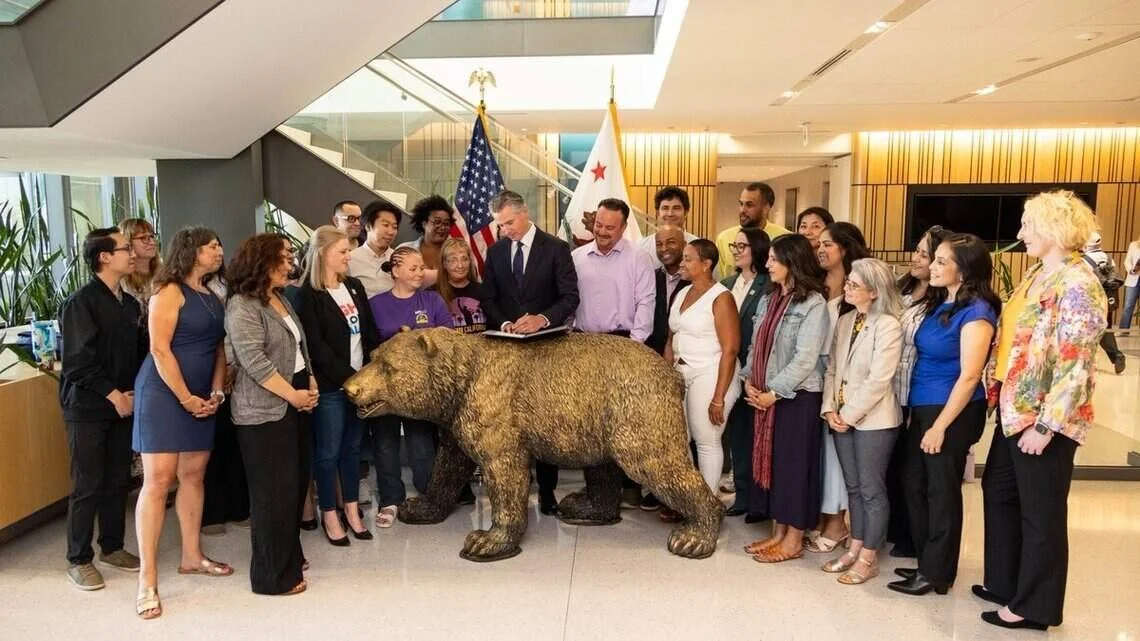
California’s ‘Fair Share’ proposal could lead to unfair hiring, advocates warn
The Sacramento Bee: Labor unions, health access and immigrant advocacy organizations celebrated when Gov. Gavin Newsom signed the Fair Share from Big Corporations Act into law last month. But some policy analysts worry the effort to make companies pay more toward their workers’ healthcare could unintentionally shift who and how they hire.
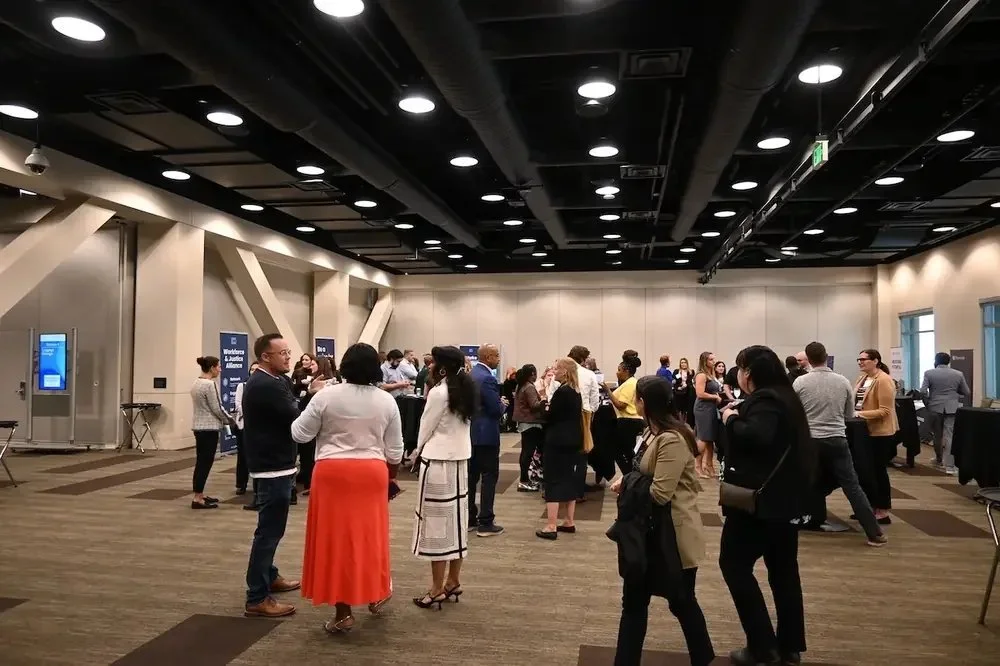
Closing the Labor Gap with Justice-Impacted Talent
Construction: Companies that are serious about meeting demand, remaining competitive, and building the next generation of talent can’t afford to overlook job seekers with a record.

Tough travel rules locking ex-offenders out of Britain also ‘lock out business’
The Observer: Critics say Home Office ban on visas for ex-offenders is short-sighted and bad for the economy.

Brian Fabes and Maha Jweied: The Clean Slate Act is now Illinois law. Here’s why it matters to employers.
Chicago Tribune: The Corporate Coalition of Chicago and RBIJ share why employers don’t have to wait for Clean Slate implementation, they can start Fair Chance Hiring now.

Why second chance hiring is smart business
Fast Company: Workforce & Justice Alliance Member Frontier Co-op shares why they are a second-chance employer.

Celebrating the winners of Ragan’s CSR Awards: See the list
Ragan: Ragan is proud to announce the winners of the 2025 CSR Awards, honoring the communicators, teams and organizations making a meaningful difference through purpose-driven work.
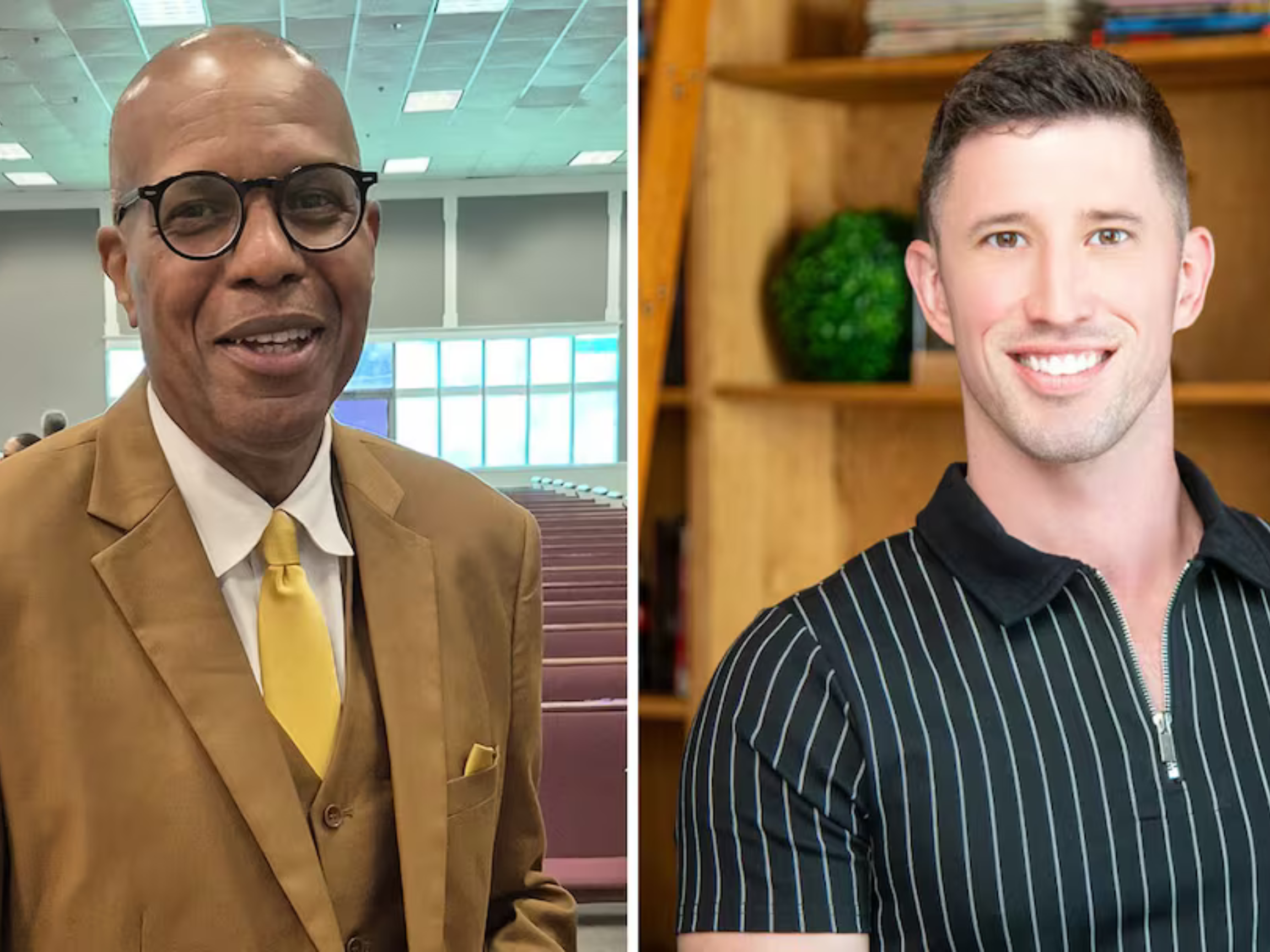
Helping people find work after prison could be a boon to Georgia’s economy
The Atlanta Journal-Constitution: Mark Haynes was incarcerated for four years. But he put that time to good use, earning multiple certifications related to dog grooming and training and for veterinary assistance.

Debt-related license suspensions put the brakes on employment
FedCommunities: Debt-related suspensions also keep people out of the workforce. Many jobs require a driver’s license. And driving may be the only way for some to get to work.

The Hustler Files: From a Gym to a Community of Equals
The Hustler Files: Guests Caz Walcott, Director of Inclusive Hiring at the Responsible Business Initiative for Justice (RBIJ), and Jon Feinman, Founder of InnerCity Weightlifting share the transformative power of inclusive hiring practices.

RBIJ’s Ken Oliver: 'The biggest misconception of people with convictions is they are untrustworthy’
People Management: The stigma surrounding hiring individuals with criminal records often feels insurmountable, but Ken Oliver, a member of the Responsible Business Initiative for Justice (RBIJ), believes the root lies in misunderstanding.

Getting Started: Strategies for Hiring Disadvantaged Young People
SHRM: 'Opportunity youth’—disadvantaged young people who are neither in school nor in the workforce—are overcoming hardships and gaining employment.

Fair Chance Hiring: Taking the Plunge
Staffing Industry Analysts: The business case for hiring candidates with justice-impacted backgrounds is strong, CWS 3.0 previously reported.
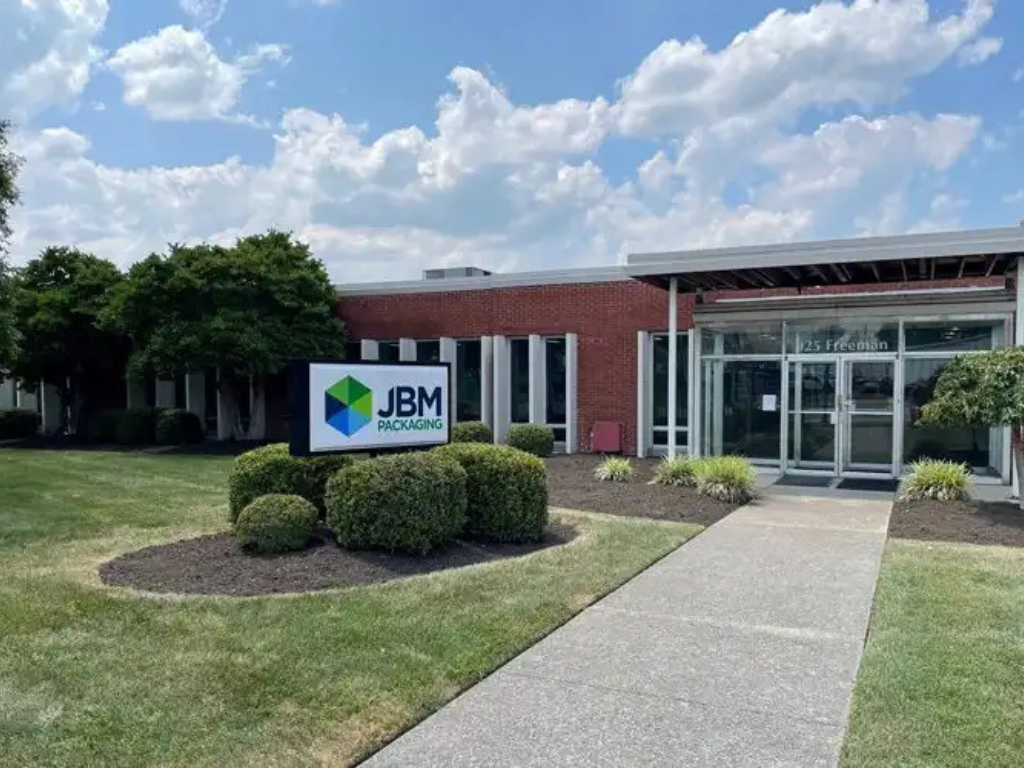
Ohio employers embrace trend of hiring formerly incarcerated individuals
NBC4 Ohio: Numerous Ohio employers are embracing a trend that helps job fill positions in a shrinking workforce, by hiring formerly incarcerated individuals.

Maha Jweied: Businesses must lead on second chance hiring
Axios 1 big thing: CEO Maha Jweied discusses how businesses can advance second chance hiring and how RBIJ assists employers in their inclusive hiring journeys.

Ohio bill would make it easier to seal non-violent criminal records, but advocates want it expanded
Ohio Capital Journal: A pair of Ohio Republican lawmakers are trying to make it easier to get non-violent criminal records sealed to help formerly incarcerated Ohioans get hired, but advocates say that’s not enough.

Recruiting ‘opportunity youth’ offers HR the chance to fill skills gaps
HR Brew: This often untapped talent pool may offer HR the opportunity to fill open positions with eager and driven young talent.

People with criminal records deserve clear path to clean slate
Boston Globe: Massachusetts is lagging and should join other states that have enacted “clean slate” automated record-sealing laws.

Dear Businesses: You Can Be Criminal-Justice Champions
Be it through advocacy, justice focused-initiatives, or hiring, corporations can be instruments of change. And change cannot come fast enough.
In the United States, Black men are nearly six times as likely to be incarcerated as White men. Black people use drugs at exactly the same rate as White people, yet they are 10 times more likely to be arrested for drug offenses. People of color account for 37 percent of the US population, yet they make up 67 percent of the total US prison population. Punishments are harsher, too — federally imposed sentences for Black men are 19 percent longer than for White men for similar crimes.