
Our Work
Public Policy
When businesses advocate for justice, systems change.
Our justice system too often punishes people past the point of return. Extreme sentences throw away lives that could have been rebuilt. Criminal records lock people out of work long after a sentence is served. The laws behind these outcomes affect business too, shaping everything from local labor markets to national GDP.
Working alongside advocacy partners on the ground, RBIJ empowers the business community — already one of the most influential voices in public policy — to push for reforms that make the justice system fairer, communities safer, and the economy stronger. In doing so, these companies gain a stronger voice in the laws and markets that shape their industries, and the credibility that comes with leading on an issue their employees and customers care about.
Since 2018, we have mobilized hundreds of businesses to help pass 15 laws and secure two executive actions. These policy changes have opened up new talent pools for employers, helped justice-impacted community members rebuild their lives and careers, and brought the justice system closer to delivering the fairness and dignity it promises everyone.
What We’re Working On
Get to know the justice issues affecting your business
-
Every year, 650,000 people exit prison and re-enter their communities. Returning home can be an extremely arduous and vulnerable time, as individuals attempt to navigate housing, find employment, access medical care, or advance their education or trade skills. Without critical government documents or records, however, these obstacles can become even greater.
Providing access to identification documentation for justice-impacted individuals is a critical step in helping individuals find employment immediately upon their return.
-
After an arrest, an individual's ability to leave jail, return home, and maintain steady employment typically depends on their ability to provide bail. Bail is the temporary release of a person awaiting trial, often on the condition that money be given to guarantee their appearance in court.
On any given day, more than 600,000 Americans are incarcerated in local jails alone. Over the past three decades, the number of annual jail admissions doubled, and the average length of stay increased from 14 to 23 days. Reforming our bail system will strengthen the economy, improve long-term community safety, and increase justice and equity for our communities.
-
In both the U.S. and the U.K., even a decades-old criminal record can create significant barriers to employment, housing, educational opportunities, and more.
In the U.S., while processes to clear these records exist, less than 5% of eligible individuals will ever even apply due to a lack of access, knowledge, and funds required. "Clean Slate" refers to legislation that automates the review and sealing or expungement of eligible criminal records for individuals who completed their sentence and remained crime-free — a technological solution for closing the justice gap. By removing the collateral consequences of a record, the effort is a critical step in strengthening our communities and our economy.
In the U.K., a movement called #FairChecks, led by Transform Justice and Unlock, is calling on the government to review and overhaul the outdated criminal records disclosure system in England and Wales, which keeps thousands of people trapped in the past and unable to find work or progress in their careers. Currently, many people are forced to reveal very old and/or minor offences which have no bearing on their ability to complete the job at hand.
#FairChecks is calling for: no automatic disclosure of cautions; wipe the slate clean for childhood offenses; stop forcing people to reveal short prison sentences forever.
-
Most states suspend, revoke, or refuse to renew driver’s licenses for unpaid fines and fees. They also criminalize driving on a suspended license, and suspend licenses for failures to appear in court. Loss of a license leaves those who drive to work with an impossible choice: lose their jobs or risk further penalties — even arrest — to keep their income. Simply put, it forces Americans into a vicious and desperate cycle of poverty and incarceration.
Ending driver’s license suspensions for unpaid fines and fees will keep workers in their jobs and out of the justice system.
-
Every year, millions of Americans are burdened by court-imposed fines and fees. Originally intended to punish and fund the justice system, the use of exorbitant fines and fees has steadily increased over the past decade — often reaching hundreds or thousands of dollars. Those who cannot immediately pay face harsh penalties, including arrest, incarceration, license suspensions, additional fees, and even loss of voting rights. These costs block justice-impacted individuals from steady employment and limit employers’ ability to hire. They trap entire families in cycles of poverty and punishment, thwarting economic mobility.
Eliminating unnecessary, ineffective fines and fees in our justice system strengthens the workforce and helps ensure justice-impacted individuals can continue to work, support their families, and meaningfully contribute to their communities.
-
The U.K. introduced new Electronic Travel Authorization (ETA) rules in 2025, which apply to everyone traveling to the U.K. except British and Irish citizens. This means that travelers now have to meet key eligibility criteria and answer questions about criminal history in order to enter the country. As a result, anyone who has served 12 months or more in prison, or who has a suspended sentence of 12 months or more, will automatically be denied entry to the U.K., with no grounds to appeal.
Since the new rules came into effect, RBIJ has received dozens of examples of people in our U.S. network now unable to travel to the U.K. due to the new rules, despite traveling before for business and personal reasons. This barrier is damaging to those individuals affected and to the U.K. more broadly. It is hindering investment and spending in the country and is damaging the U.K.'s reputation as a country that supports rehabilitation and second chances.
-
Occupational licensure refers to legal permission to work in certain occupations. Nearly one in every four workers across the labor force has obtained a license, which is necessary for individuals pursuing occupations as varied as plumbing, dentistry, nursing, cosmetology, and law. The process can require substantial investments of time and money. In many professions and most states across the country, people with old criminal convictions can be completely barred from obtaining an occupational license, regardless of how long ago they were convicted or the relevancy of the conviction to the licensed industry. Reforming this system would expand the workforce for in-demand professions and strengthen the economy.
-
Transit options in cities across the country often don’t meet the needs of employees, and can have a huge impact on stable employment as well as economic mobility. This is especially true for vulnerable communities, including those who are justice-impacted. Limited access to transportation hinders the upward mobility of justice-impacted individuals.
With debt-based driver's license suspension as another obstacle to job security, reliable and accessible transit options are as important as ever.

Featured
Explore Our First Policy Agenda
In September 2026, RBIJ released a series of bipartisan solutions, informed by the business community, focused on building a fairer justice system that delivers safer communities and a stronger economy for all.
Where We Work
Discover where RBIJ is mobilizing businesses to advance policy reform and find out how to get your company involved. Explore our interactive policy map and dashboard by filtering by issue area or state.
Latest Policy News
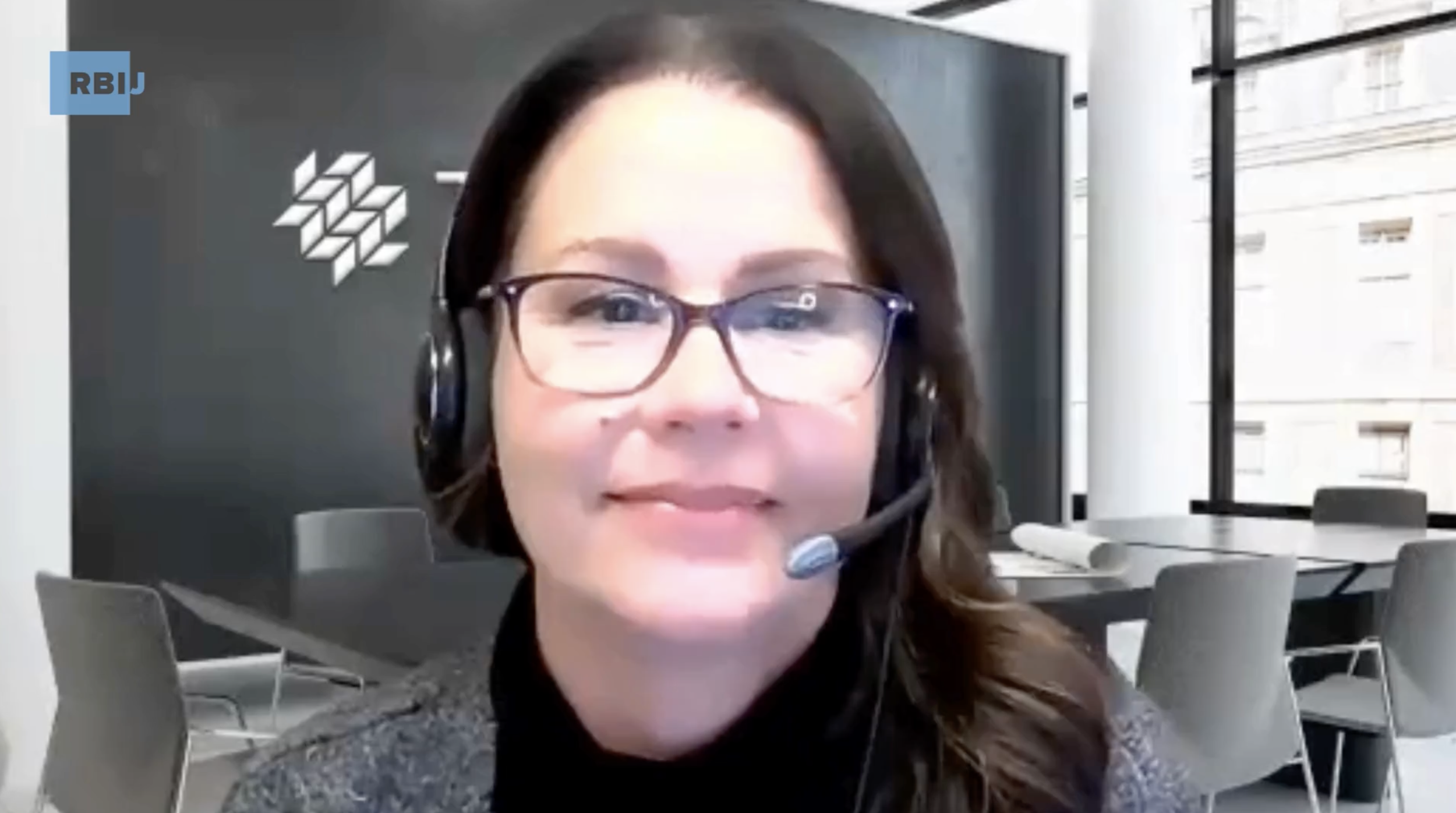

"RBIJ helps me stay on top of policy measures and use my voice to impact the future. I truly couldn't do this work without them."
Jackie Huebbe
Owner, SugarBot Sweet Shop
Talk to Our Policy Team
Whether you're already active in policy or just starting to learn where your business has influence, our team can help you find the right starting point. Fill out the form to connect with us about the issues that matter to your business.