
Latest from RBIJ
News & Insights

Featured Story
Business Leaders to Make the Case for Justice Reform at RBIJ Policy Agenda Launch in Washington, D.C.
Featured Story
Fast Company: 250 years of business shaping justice
On America’s 250th anniversary, we know that business will continue shaping the next 250 years of American justice. But will it be on the right side of history when it does?
Start Exploring
Illinois led on bail reform — and it’s working
Daily Herald: Pete Leonard, found of I Have a Bean, commends Illinois for becoming the first state to ban cash bail under the Pretrial Fairness Act and encourages other businesses to advocate for common sense policy reform in their communities.

Business like mine face challenges finding workers. Debt shouldn't keep Ohioans from work.
The Columbus Dispatch: "Amid our ongoing labor shortage, it is more important than ever for our legislature to take action and allow employers to tap into this skilled, hard-working and dedicated talent pool," Phil Petrilli

Clean Slate was a step forward. Now it's time to finish the job.
Daily Sentinel: Kobeyo CEO Bryant Dulin — who previously backed automatic record sealing efforts in Colorado — reiterated the need for automatic record sealing within the state.
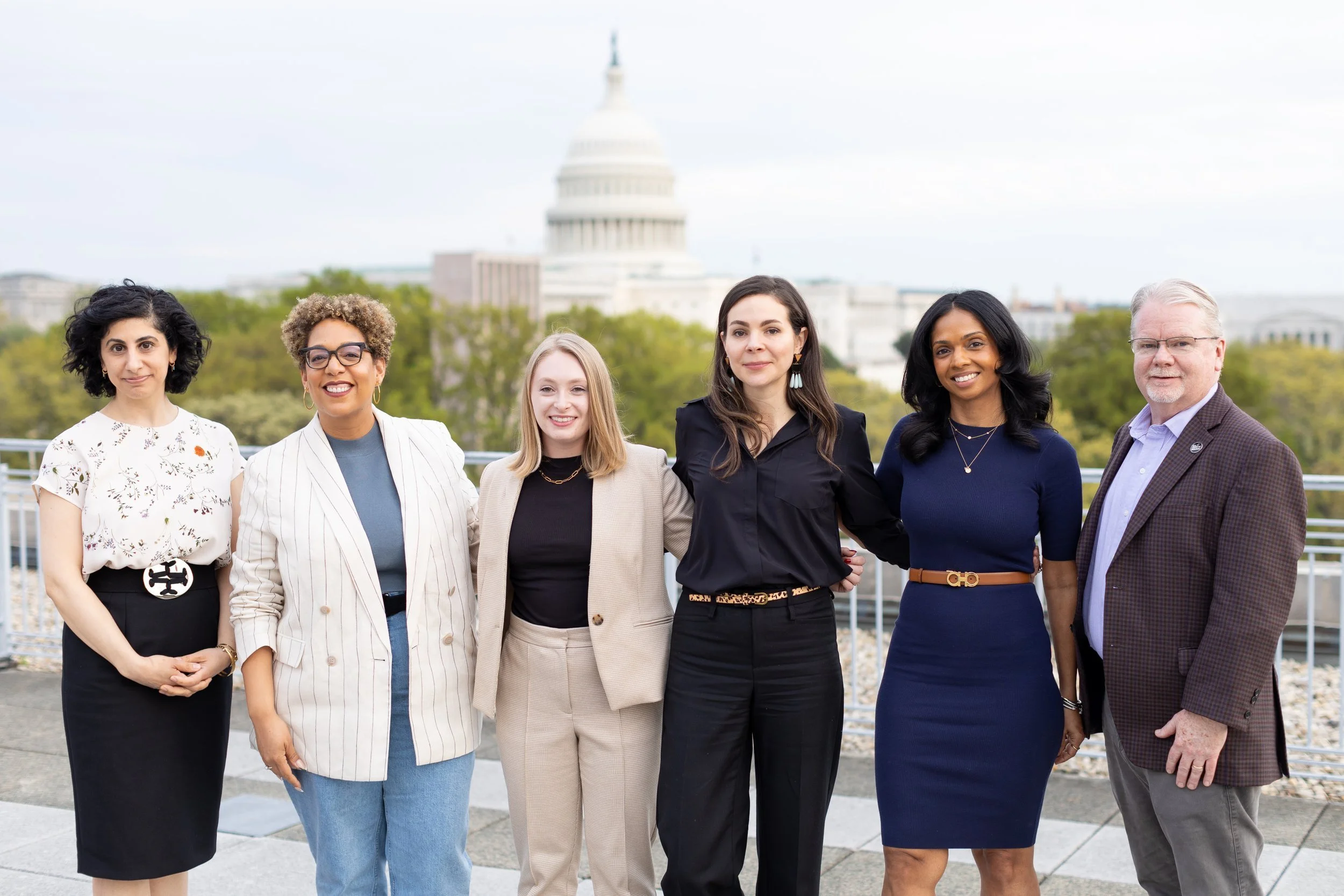
Business Leaders Call for Driver’s License Reforms
RBIJ joined Fines and Fees Justice Center and Uber to host a panel discussion on the need to end debt-based driver’s license suspensions.

Hiring individuals returning from incarceration can address the ongoing labor shortage
The Oklahoman: Oklahoma has been a leader in innovative solutions that can help individuals who have served their time get back on their feet, re-enter the workforce, find stable housing and strengthen their communities ― and reaped the benefits.
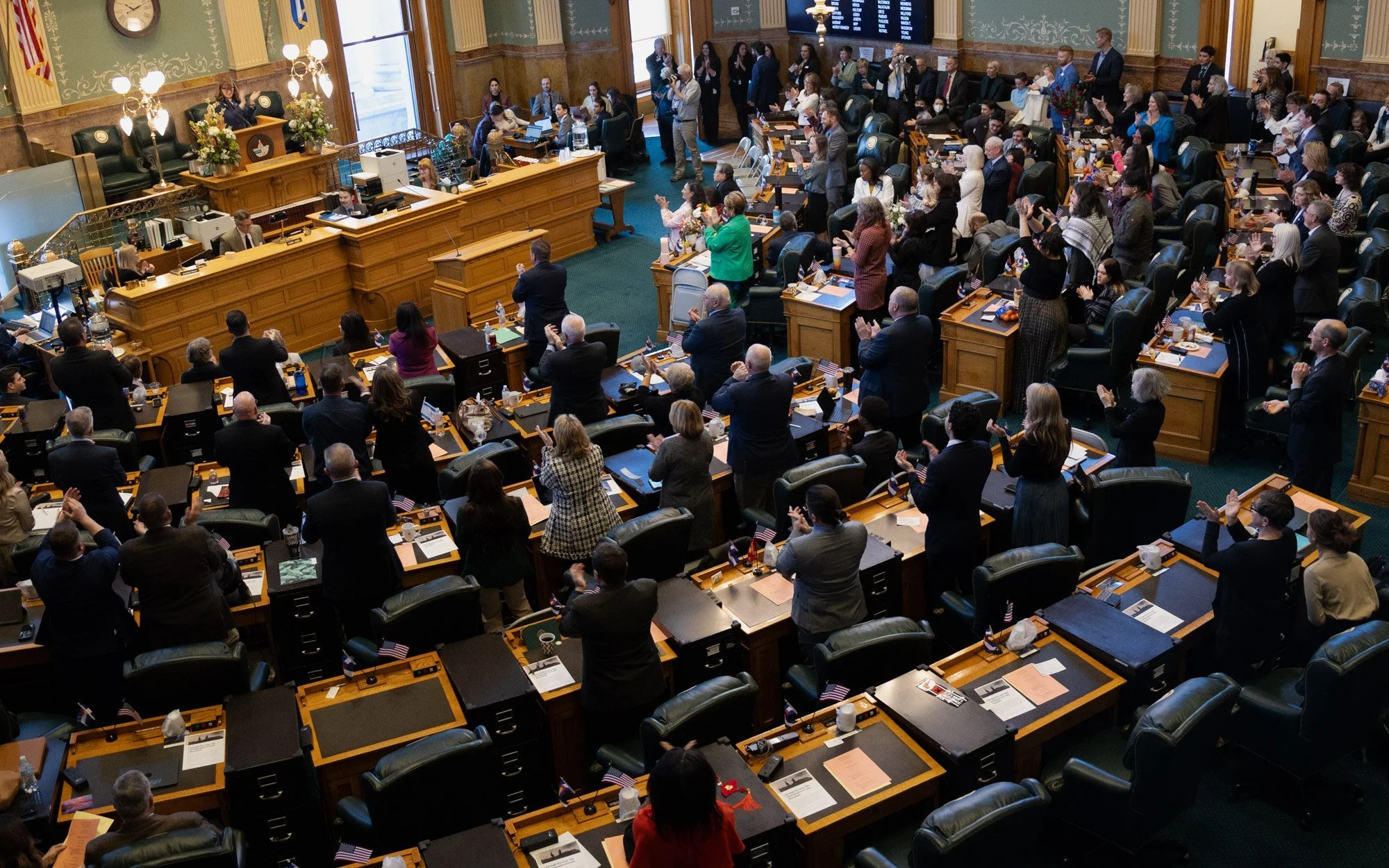
Occupational licensing reform will expand Colorado’s workforce
Colorado Newsline: Professional restrictions prevent nearly 2 million people from entering the workforce.

The Business Case for Clean Slate in Missouri
Empower Missouri: One in three Americans is burdened by some form of an old criminal record. Last week marked the start of Second Chance Month, during which we recognize the critical need to address the barriers that continue to face these 70 million people – sometimes, long after they are released.

I’m a Missouri business owner. I support a Clean Slate.
St. Louis Post-Dispatch: The bills that pass through our state’s legislature will have a huge impact on Missourians across the state — and on my business.

People with criminal records deserve clear path to clean slate
Boston Globe: Massachusetts is lagging and should join other states that have enacted “clean slate” automated record-sealing laws.

Clean Slate Legislation is Key to Removing Barriers to Employment and Strengthening Communities
Baltimore Post-Examiner: In Maryland, nearly one million adults have a criminal record. That’s approximately 2 out of every 10 adults in the state, according to The Clean Slate Initiative.
If more companies hired people with criminal records, it could solve the labor shortage
PennLive: Pennsylvania’s labor shortage impacts businesses both large and small. This is due in part to employers not considering hundreds of thousands of qualified candidates simply because they have a criminal record.

Justice Champion Spotlight: Jonathan Gonzalez, Indeed
For our monthly Justice Champion Spotlight, we spoke with Indeed’s Social Impact Manager Jonathan Gonzalez about inclusive hiring, creating opportunity, and why Indeed is working to pass Clean Slate.
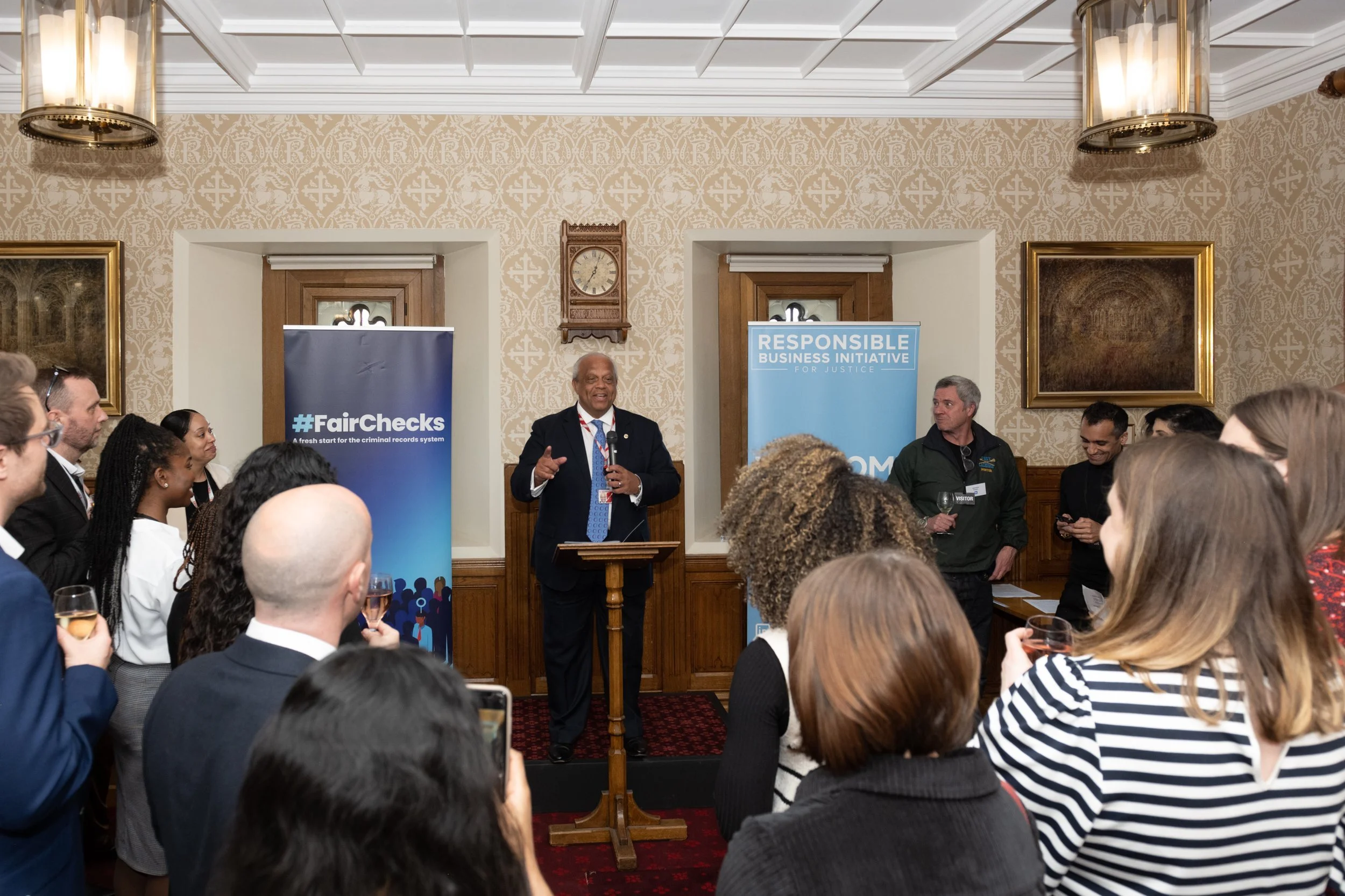
Justice Champion Spotlight: Lord Dr Hastings of Scarisbrick CBE
We spoke with Lord Dr. Hastings of Scarisbrick CBE about justice reform in the UK and his work to create a fair criminal record clearing system.

House of Lords: #FairChecks Reception
On April 19 RBIJ was thrilled to bring together an incredible group of business leaders, parliamentarians and justice campaigners at the House of Lords to kick-off our support of the #FairChecks campaign. #FairChecks is a growing movement to reform the UK’s broken, ineffective and unfit-for-purpose criminal record check system.

Justice Champion Spotlight: John Arensmeyer, Small Business Majority
For our November Justice Champion Spotlight, we spoke with Small Business Majority Founder and CEO John Arensmeyer about how workforce expansion can benefit companies of all sizes.
Business Leaders Back Federal Clean Slate
Business leaders across the country offered support for the Clean Slate Act, aligning with the vast majority of Americans who back meaningful second chances.
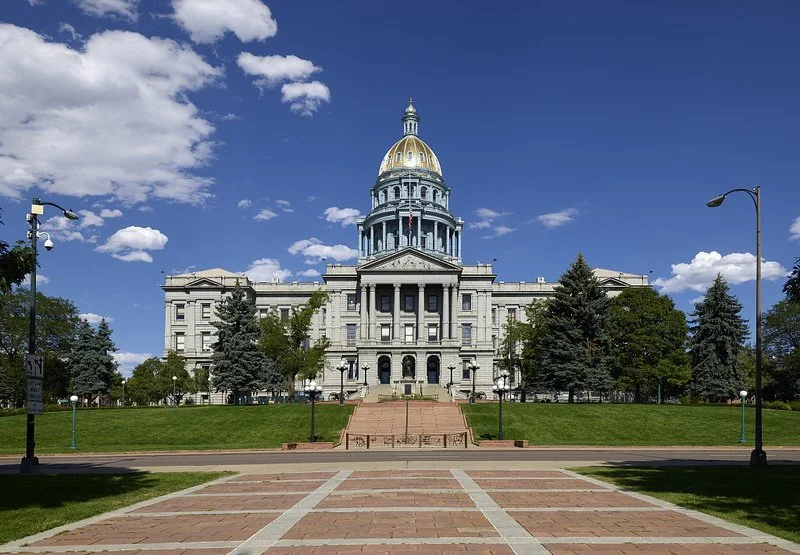
Business leaders testify in support of the Colorado Clean Slate Act
Business leaders testified in the House Judiciary Committee in support of the Colorado Clean Slate Act (SB22-099), which will help provide access to employment, education, and housing for thousands of Coloradans.

New York’s labor shortage is unsustainable. Clean Slate can help.
Joseph Kenner, President and CEO of Greyston (www.greyston.org), a leading bakery and pioneer of Open Hiring®, and David Levine, President of the American Sustainable Business Network (www.asbnetwork.org), on why Clean Slate New York is good for businesses.

Businesses Call on Justice Secretary Robert Buckland MP Release of Prisoners to Prevent COVID-19 Spread
Leaders from the business and legal communities have co-signed an open letter to Justice Secretary Robert Buckland MP to release medically vulnerable and nonviolent offenders at risk of COVID-19 in prisons and jails.

Dear Businesses: You Can Be Criminal-Justice Champions
Be it through advocacy, justice focused-initiatives, or hiring, corporations can be instruments of change. And change cannot come fast enough.
In the United States, Black men are nearly six times as likely to be incarcerated as White men. Black people use drugs at exactly the same rate as White people, yet they are 10 times more likely to be arrested for drug offenses. People of color account for 37 percent of the US population, yet they make up 67 percent of the total US prison population. Punishments are harsher, too — federally imposed sentences for Black men are 19 percent longer than for White men for similar crimes.